Operando · Lucas Marangoni, Fractional COO
Skip to content
operand
operand

FRACTIONAL COO FOR EARLY-STAGE COMPANIES AND NONPROFITS.

Let's build the operational foundations your organisation needs to grow.

I diagnose the operation, define what needs to change and implement the processes, systems and management routines required to move forward.

See how I work
OPERATINGMODELWORK AS FOUNDONE RESULT
WHERE I COME IN

“You don’t have a people problem. You have a systems problem.”

The problem

When the operation stops keeping up

Usually, a founder or executive is still at the centre of every important decision. Information is spread across messages, spreadsheets and people’s heads. Work is being done, but there is no reliable operating model behind it.

As the organisation grows, execution becomes slower, mistakes repeat themselves and things begin to fall through the cracks. This is where the P&L—or the organisation’s ability to use its funds effectively—starts to take the hit.

01Decisions depend on one person
02Roles and ownership are unclear
03Teams work in silos
04Information is scattered
05Processes exist only in people’s heads
06Financial visibility is weak
07Manual administration consumes too much time
08The operation will not support the next stage of growth
NO OWNERNO RESULT
WORK AS FOUND — NO OWNER, NO RESULT

What I build

Four areas, one operating model

A

Processes

  • Standard workflows
  • Approval processes
  • Operating routines
  • Project and portfolio management
  • Documentation and handover

B

Systems and data

  • Operational databases
  • Data capture and extraction
  • Data consolidation
  • Workflow automation
  • API integrations
  • Management reporting
  • Agentic AI workflows

C

People and accountability

  • Roles and responsibilities
  • Decision rights
  • Workstreams
  • Objectives
  • Ownership
  • Operating rhythms

D

Finance and control

  • Financial forecasting
  • Budget control
  • Resource allocation
  • Internal controls
  • Reporting
  • Risk identification and mitigation
A · PROCESSESB · SYSTEMS · DATAC · PEOPLED · FINANCE · CONTROLOPERATINGMODEL
FOUR WORKSTREAMS, ONE OPERATING MODEL

AI and the operating model

AI changes the operating model

AI is already capable of producing analysis, documentation, research and workflow designs that companies once paid consultants to create.

I'm not here to produce manually what a model can generate in a fraction of the time, and cost

The opportunity is much larger than embedding agentic AI to the operation. AI changes how work can be distributed across people, software and agentic systems.

AI agents can collect and classify information, prepare reports, monitor projects, identify inconsistencies, trigger actions and maintain records. Machine-learning systems can surface patterns buried in operational data. Automated data harvesting can replace the repeated collection of information from disconnected sources.

OPERATING NOTE

But installing tools is not an operational transformation. Before introducing AI, the organisation needs to understand its workflows, decision points, data sources, controls and ownership. Automating a poorly designed process only allows the organisation to make the same mistakes faster.

HUMAN JUDGMENT · CONTROLWORK INPEOPLESOFTWAREAUTOMATIONAGENTIC AI
HOW WORK GETS DISTRIBUTED

THE PART TECHN DOES NOT SOLVE

AI recommends, but it does not push.

AI can analyse an entire organisation’s stack and recommend a better process. It can draft the procedure, build parts of the workflow, implement it, and monitor whether tasks have been completed.

What it still does not provide is organisational force.

Agentic AI does not sit with a founder, executive or board and establish which decisions must be delegated. It does not earn the confidence of a team that has seen several previous attempts at change fail. It does not resolve competing interests between functions. It does not tell leadership that its own behaviour is creating the bottleneck. It does not maintain pressure when implementation becomes uncomfortable.

That is where I come in.

The deliverable, rather than a slide deck or a list of recommendations, is a fully functioning operating model.

How I work

One sequence, four stages

01 · DIAGNOSE

Trace how work enters the organisation, how decisions are made, how money is controlled, how information moves and where execution gets stuck.

02 · DECIDE

Identify what should remain, what is broken, what is missing, what should be standardised, what should be automated, what can be delegated to agentic AI, what still requires human judgment and what should stop.

03 · IMPLEMENT

Build the processes, systems, controls and management routines with the team. Establish ownership and work through resistance.

04 · HAND OVER

Make sure the team can run the new operating model confidently. Then leave.

THE ENGAGEMENT, END TO END

THE STANDARD

“If the organisation still depends on me to run what I built, I have not finished the job.”

Why fractional

Experienced leadership, without the permanent seat

Early-stage companies and nonprofits often encounter operational complexity before they can afford (or genuinely need) a full-time COO.

A fractional engagement gives founders, executives and nonprofit leaders access to experienced operational leadership without adding a permanent executive position too early.

Hence, you are bringing in someone to take ownership of the operational problem, build the infrastructure and drive implementation.

Intended outcomes

01Clearer ownership and decision-making
02More reliable execution
03Better visibility over work and finances
04Less manual administration
05Fewer operational bottlenecks
06Useful and accessible operational data
07Agentic AI and automation integrated into real workflows
08Systems capable of supporting the next stage of growth

About

About Lucas

I have managed operations across family-owned businesses, international supply chains, corporate transformation and global nonprofit organisations.

My work has covered finance, logistics, people, systems, data, project execution and organisational design. I have led teams, built reporting and control structures, implemented automations, and translated high-level strategy into concrete work.

I am meticulous, thorough and direct. I will tell you what is not working, including when leadership itself is part of the problem. Then I will help fix it.

I do not introduce bureaucracy to make an organisation look more professional. I build the minimum structure required for it to operate properly.

PRINCIPLES

Efficiency · Trust · Flexibility

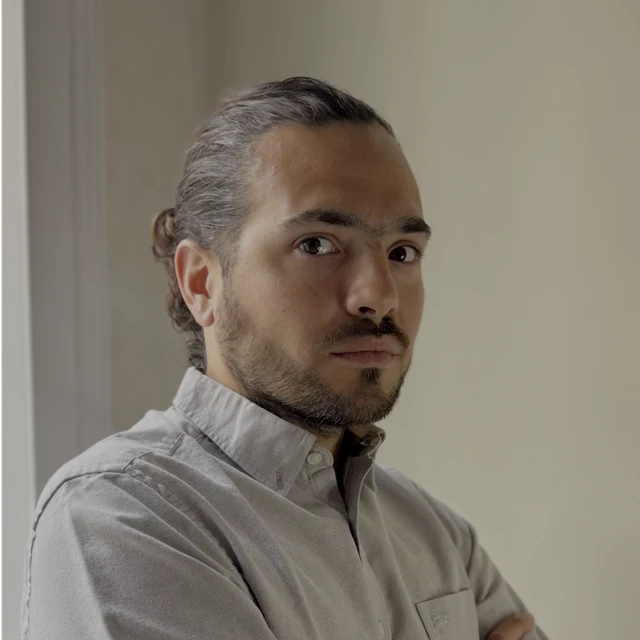
Lucas Marangoni

FRACTIONAL COO · OPERANDO

LinkedIn

If your organisation is growing but its operation is not ready to grow with it, let’s talk.

Show me where things are getting stuck. I will tell you whether I can help.

OPERATING MODEL

THE RESULT

operand

Book a conversation

30 MIN · VIDEO CALL · NO CHARGE
TIMES SHOWN IN YOUR TIME ZONE · {{ tz }}

SCHEDULING · CALENDLY

Load the calendar

Scheduling is provided by Calendly. Loading it connects your browser to Calendly, which may store cookies or similar technologies. You can continue without loading it by emailing info@operando.cc.

YOUR CHOICE IS SAVED FOR 12 MONTHS AND CAN BE CHANGED AT ANY TIME UNDER COOKIE SETTINGS.

Continue by email

Write to info@operando.cc with a line on where things are getting stuck, and I will reply with times.

info@operando.cc

01 · PICK A DAY

02 · PICK A TIME

{{ slotSummary }}

03 · YOUR DETAILS

REQUIRED — ADD YOUR NAME

REQUIRED — CHECK THE EMAIL

OPTIONAL · ONE LINE IS ENOUGH

PRIVACY · SHORT BOOKING NOTICE

Controller:
Lucas Rodrigo Marangoni Fiori — Operando.
Purpose:
handling your request, booking the meeting and following up in relation to it.
Lawful basis:
pre-contractual steps requested by you and legitimate interests in managing professional contacts.
Providers:
Calendly, Google and the technical providers listed in the Policy. International transfers may occur under the safeguards described.
Retention:
up to 12 months after the last contact if no relationship begins.

More information: Privacy Policy

SCHEDULING · CONNECT CALENDLY OR EQUIVALENT — SAMPLE AVAILABILITY SHOWN.

Booked.

{{ slotSummary }}

A calendar invite will go to {{ fEmail }}.

PROTOTYPE — CONNECT CALENDLY OR EQUIVALENT TO TAKE REAL BOOKINGS.

PRIVACY

Cookie settings

Necessary cookies

STATUS · ALWAYS ACTIVE

These technologies deliver and protect the website, prevent abuse and remember your choices. They are not used for advertising or analytics.

Scheduling and external content

This allows the Calendly scheduler to load. When enabled, your browser will connect to Calendly, which may use cookies and process technical data. If you book, the information entered will be used to manage the meeting and create the Google Calendar and Google Meet invitation.

FULL COOKIE POLICY

STORED AS operando_privacy_preferences FOR 12 MONTHS. NO CATEGORY IS PRESELECTED.

Ir al contenido
operand
operand

COO fraccional para empresas en fase inicial y pequeñas organizaciones sin ánimo de lucro.

Construyo las bases operativas que tu organización necesita para crecer.

Diagnostico la operación, defino qué tiene que cambiar e implemento los procesos, sistemas y rutinas de gestión necesarios para avanzar.

Mira cómo trabajo
MODELOOPERATIVOEL TRABAJO, TAL CUALUN RESULTADO
FIG. 01 · DÓNDE ENTRO YO

«No tienes un problema de personas. Tienes un problema de sistemas.»

El problema

Cuando la operación deja de seguir el ritmo

Normalmente, el fundador o la dirección sigue en el centro de cada decisión importante. La información está repartida entre mensajes, hojas de cálculo y la cabeza de la gente. El trabajo sale adelante, pero no hay un modelo operativo fiable detrás.

A medida que la organización crece, la ejecución se vuelve más lenta, los errores se repiten y las cosas empiezan a caerse. Ahí es donde la cuenta de resultados —o la capacidad de la organización de usar bien sus fondos— empieza a resentirse.

01Las decisiones dependen de una sola persona
02Los roles y la responsabilidad no están claros
03Los equipos trabajan en silos
04La información está dispersa
05Los procesos solo existen en la cabeza de la gente
06La visibilidad financiera es débil
07La administración manual consume demasiado tiempo
08La operación no aguantará la siguiente etapa de crecimiento
SIN RESPONSABLESIN RESULTADO
FIG. 02 · EL TRABAJO, TAL CUAL — SIN RESPONSABLE, SIN RESULTADO

Qué construyo

Cuatro áreas, un modelo operativo

A

Procesos

  • Flujos de trabajo estándar
  • Procesos de aprobación
  • Rutinas operativas
  • Gestión de proyectos y portafolio
  • Documentación y traspaso

B

Sistemas y datos

  • Bases de datos operativas
  • Captura y extracción de datos
  • Consolidación de datos
  • Automatización de flujos de trabajo
  • Integraciones vía API
  • Reporting de gestión
  • Flujos con IA agéntica

C

Personas y responsabilidad

  • Roles y responsabilidades
  • Derechos de decisión
  • Líneas de trabajo
  • Objetivos
  • Responsables claros
  • Ritmos operativos

D

Finanzas y control

  • Previsión financiera
  • Control presupuestario
  • Asignación de recursos
  • Controles internos
  • Reporting
  • Identificación y mitigación de riesgos
A · PROCESOSB · SISTEMAS · DATOSC · PERSONASD · FINANZAS · CONTROLMODELOOPERATIVO
FIG. 03 · CUATRO FRENTES, UN MODELO OPERATIVO

La IA y el modelo operativo

La IA cambia el modelo operativo

La IA ya es capaz de producir análisis, documentación, investigación y diseños de flujos de trabajo que antes las empresas pagaban a consultores por elaborar.

No voy a producir a mano algo que un modelo genera en una fracción del tiempo y del coste.

La oportunidad es mucho mayor que añadir un chatbot al negocio. La IA cambia cómo se puede repartir el trabajo entre personas, software y sistemas agénticos.

Los agentes de IA pueden recopilar y clasificar información, preparar informes, hacer seguimiento de proyectos, detectar inconsistencias, disparar acciones y mantener registros. Los sistemas de machine learning pueden sacar a la superficie patrones enterrados en los datos operativos. La captura automática de datos puede sustituir la recolección repetida de información desde fuentes desconectadas.

NOTA OPERATIVA

Pero instalar herramientas no es una transformación operativa. Antes de introducir IA, la organización necesita entender sus flujos de trabajo, puntos de decisión, fuentes de datos, controles y responsables. Automatizar un proceso mal diseñado solo permite cometer los mismos errores más rápido.

CRITERIO HUMANO · CONTROLTRABAJOPERSONASSOFTWAREAUTOMATIZACIÓNIA AGÉNTICA
FIG. 04 · CÓMO SE REPARTE EL TRABAJO

La parte que la tecnología no resuelve

La IA recomienda. No empuja.

La IA puede analizar la información de una organización y recomendar un proceso mejor. Puede redactar el procedimiento, construir partes del flujo de trabajo y comprobar si las tareas se han completado.

Lo que no aporta es fuerza organizativa.

La IA no se sienta con un fundador, una directiva o un patronato a establecer qué decisiones hay que delegar. No se gana la confianza de un equipo que ya ha visto fracasar varios intentos de cambio. No resuelve intereses enfrentados entre áreas. No le dice a la dirección que su propio comportamiento está creando el cuello de botella. No mantiene la presión cuando la implementación se vuelve incómoda.

Ahí es donde entro yo.

El entregable no es una presentación ni una lista de recomendaciones. Es un modelo operativo funcionando.

Cómo trabajo

Una secuencia, cuatro etapas

01 · DIAGNOSTICAR

Rastreo cómo entra el trabajo en la organización, cómo se toman las decisiones, cómo se controla el dinero, cómo se mueve la información y dónde se atasca la ejecución.

02 · DECIDIR

Definimos qué se mantiene, qué está roto, qué falta, qué se estandariza, qué se automatiza, qué se puede delegar en IA agéntica, qué sigue exigiendo criterio humano y qué se deja de hacer.

03 · IMPLEMENTAR

Construyo los procesos, sistemas, controles y rutinas de gestión con el equipo. Establezco responsables y trabajo la resistencia al cambio.

04 · TRASPASAR

Me aseguro de que el equipo puede operar el nuevo modelo con confianza. Y me voy.

FIG. 05 · EL TRABAJO, DE PRINCIPIO A FIN

EL LISTÓN

«Si la organización sigue dependiendo de mí para operar lo que construí, no he terminado el trabajo.»

Por qué fraccional

Liderazgo con experiencia, sin el puesto permanente

Las empresas en fase inicial y las pequeñas organizaciones sin ánimo de lucro suelen encontrarse con complejidad operativa antes de poder permitirse —o necesitar de verdad— un COO a tiempo completo.

Un encargo fraccional da a fundadores, directivos y responsables de organizaciones sin ánimo de lucro acceso a liderazgo operativo con experiencia, sin añadir un puesto directivo permanente demasiado pronto.

No estás comprando consejos sueltos. Estás incorporando a alguien que asume el problema operativo, construye la infraestructura y empuja la implementación.

Resultados esperados

01Responsables y decisiones más claros
02Ejecución más fiable
03Mejor visibilidad del trabajo y las finanzas
04Menos administración manual
05Menos cuellos de botella operativos
06Datos operativos útiles y accesibles
07IA agéntica y automatización integradas en flujos reales
08Sistemas capaces de sostener la siguiente etapa de crecimiento

Sobre mí

Sobre Lucas

He gestionado operaciones en empresas familiares, cadenas de suministro internacionales, transformación corporativa y una organización sin ánimo de lucro global.

Mi trabajo ha cubierto finanzas, logística, personas, sistemas, datos, ejecución de proyectos y diseño organizativo. He dirigido equipos, construido estructuras de reporting y control, implementado automatizaciones y traducido estrategia de alto nivel en trabajo concreto.

Soy organizado, minucioso y directo. Te diré qué no está funcionando, incluso cuando el propio liderazgo es parte del problema. Y después te ayudaré a arreglarlo.

No introduzco burocracia para que una organización parezca más profesional. Construyo la estructura mínima que necesita para operar bien.

PRINCIPIOS

Eficiencia · Confianza · Flexibilidad

Lucas Marangoni

COO FRACCIONAL · OPERANDO

LinkedIn
Lucas Marangoni

Si tu organización está creciendo pero su operación no está lista para crecer con ella, hablemos.

Enséñame dónde se están atascando las cosas. Te diré si puedo ayudar.

MODELO OPERATIVO

FIG. 06 · EL RESULTADO

operand

Reserva una conversación

30 MIN · VIDEOLLAMADA · SIN COSTE
HORARIOS EN TU ZONA HORARIA · {{ tz }}

AGENDA · CALENDLY

Cargar el calendario

La agenda está gestionada por Calendly. Si la cargas, tu navegador se conectará con Calendly y podrá almacenar cookies o tecnologías similares. Puedes continuar sin cargarla escribiendo a info@operando.cc.

TU ELECCIÓN SE GUARDA 12 MESES Y PUEDES CAMBIARLA EN CONFIGURACIÓN DE COOKIES.

Continuar por correo

Escribe a info@operando.cc contando en una línea dónde se atasca la operación y te responderé con horarios.

info@operando.cc

01 · ELIGE UN DÍA

02 · ELIGE UNA HORA

{{ slotSummary }}

03 · TUS DATOS

OBLIGATORIO — AÑADE TU NOMBRE

OBLIGATORIO — REVISA EL EMAIL

OPCIONAL · CON UNA LÍNEA BASTA

PRIVACIDAD · INFORMACIÓN BREVE PARA LA RESERVA

Responsable:
Lucas Rodrigo Marangoni Fiori — Operando.
Finalidad:
gestionar su solicitud, reservar la reunión y hacer un seguimiento relacionado con ella.
Base jurídica:
medidas precontractuales solicitadas por usted e interés legítimo en la gestión de contactos profesionales.
Proveedores:
Calendly, Google y los proveedores técnicos indicados en la Política. Pueden existir transferencias internacionales con las garantías descritas.
Conservación:
hasta 12 meses desde el último contacto si no se formaliza una relación.

Más información: Política de Privacidad

AGENDA · CONECTAR CALENDLY O EQUIVALENTE — DISPONIBILIDAD DE MUESTRA.

Reservado.

{{ slotSummary }}

Recibirás una invitación de calendario en {{ fEmail }}.

PROTOTIPO — CONECTA CALENDLY O EQUIVALENTE PARA RECIBIR RESERVAS REALES.

PRIVACIDAD

Configuración de cookies

Cookies necesarias

ESTADO · SIEMPRE ACTIVAS

Permiten entregar y proteger el sitio, prevenir abusos y recordar tus elecciones. No se utilizan para publicidad o analítica.

Agenda y contenido externo

Permite cargar el calendario de Calendly. Al activarlo, tu navegador se conectará con Calendly y este proveedor podrá utilizar cookies y tratar datos técnicos. Si reservas, los datos introducidos se utilizarán para gestionar la reunión y crear la invitación de Google Calendar y Google Meet.

POLÍTICA DE COOKIES COMPLETA

SE GUARDA COMO operando_privacy_preferences DURANTE 12 MESES. NINGUNA CATEGORÍA ESTÁ PRESELECCIONADA.